 Illustrative preview
A rail journey associated with Delhi needs station-specific planning. A city can be served through different stations or an onward road connection, and a destination name alone does not identify the stop you should use. Verify the service and station through the relevant rail source, then connect that arrival with your accommodation, luggage and the first part of the city itinerary.
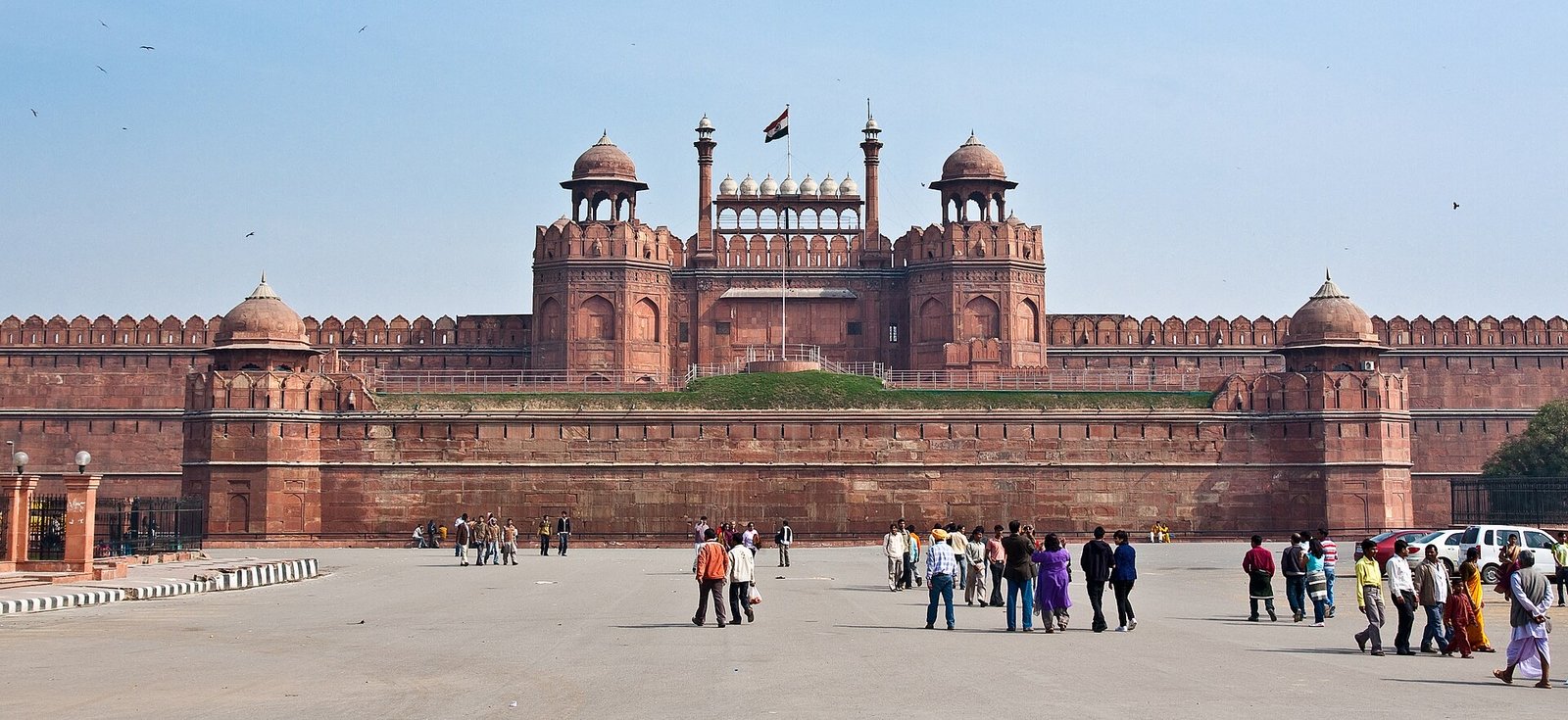
Use Build the main circuit around the Red Fort, Jama Masjid and Chandni Chowk, using the market axis to orient yourself. New Delhi’s capital boulevards are a different edition, while Humayun’s Tomb and the Qutb complex require separate cross-city journeys with realistic transit time. to frame the questions, not as a substitute for the actual travel document. Check the date, arrival station and any onward connection carefully. If a visit to Jama Masjid is planned soon afterwards, ask whether it remains practical if the arrival changes. An introductory meal or a flexible neighbourhood walk may be a more comfortable beginning than a timed commitment.
Delhi, in its own words
This Delhi edition follows Shahjahanabad and the older city’s market-and-monument fabric, rather than duplicating the planned capital district covered separately as New Delhi. The Red Fort and Jama Masjid establish the historic frame; bazaars and active religious sites reveal how that fabric continues to work. Book247 favours a focused walk with pauses over an unrealistic dash across the whole metropolis. Wider Delhi monuments remain worthwhile, but belong to separate excursions from this old-city base.
Make the platform-to-base journey clear
Investigate the station facilities and the assistance arrangements relevant to your party. Platform access, luggage handling and the location of a pickup point can affect the transfer. Ask a prearranged driver or representative how you will recognise them and what happens if the train is delayed. Keep the contact details accessible without depending entirely on a live internet connection.
If your group is arriving on different services, decide where you will meet after leaving the train. Avoid a plan that assumes everyone can remain on a platform or enter a restricted area to wait. Confirm luggage storage separately if you intend to begin sightseeing before reaching your accommodation; availability should not be assumed from an old travel account.
Keep the city day compatible with the connection
For a departure day, put the rail connection ahead of optional sightseeing. A visit to Chandni Chowk or Khari Baoli should have a clear finish and a realistic route back to the luggage and station. Treat the margin as part of the travel plan rather than spare time that can be filled with another stop.
When enquiring through Book247, separate the rail ticket, station transfer and guided city activity. Ask which supplier is responsible for each element and how changes are communicated. Avoid language that implies a tour provider controls rail operations. A clear division of responsibilities makes the journey easier to understand and reduces confusion if one part changes.
PUT A PLACE TO THE STORY
Three places to research
Jama Masjid
The active mosque stands above the surrounding old-city streets. Visit with attention to prayer arrangements, dress expectations and the difference between worship and tourism.
Chandni Chowk
The historic commercial axis connects monument, religious sites and everyday trade. Walk in manageable sections rather than expecting the whole market district to behave uniformly.
Gurdwara Sis Ganj Sahib
The Sikh place of worship adds another important strand to Chandni Chowk’s religious geography. Follow community guidance and leave space for worshippers.
Keep the route realistic
Build the main circuit around the Red Fort, Jama Masjid and Chandni Chowk, using the market axis to orient yourself. New Delhi’s capital boulevards are a different edition, while Humayun’s Tomb and the Qutb complex require separate cross-city journeys with realistic transit time.
Old-city walking is more comfortable in milder weather, with shorter sections and indoor pauses during hotter periods. Rain can change the ease of narrow market lanes. Religious occasions and commercial activity affect movement, so choose the day’s scale around current local conditions.
Before the plan becomes a trip
- Verify the exact station on the travel document.
- Confirm the pickup point and delay procedure.
- Check luggage storage before planning a direct outing.
- Separate ticket, transfer and guiding responsibilities.
A well-connected rail arrival lets the visit to Delhi begin with less uncertainty. Confirm the station and the last transfer, keep the opening plan adaptable and protect your departure margin. The train journey and the city experience should support one another rather than compete for the same time.
Sources & useful visitor links
Use the destination and heritage authorities below to check current visitor arrangements. Plan your visits around the current information published by these authorities.