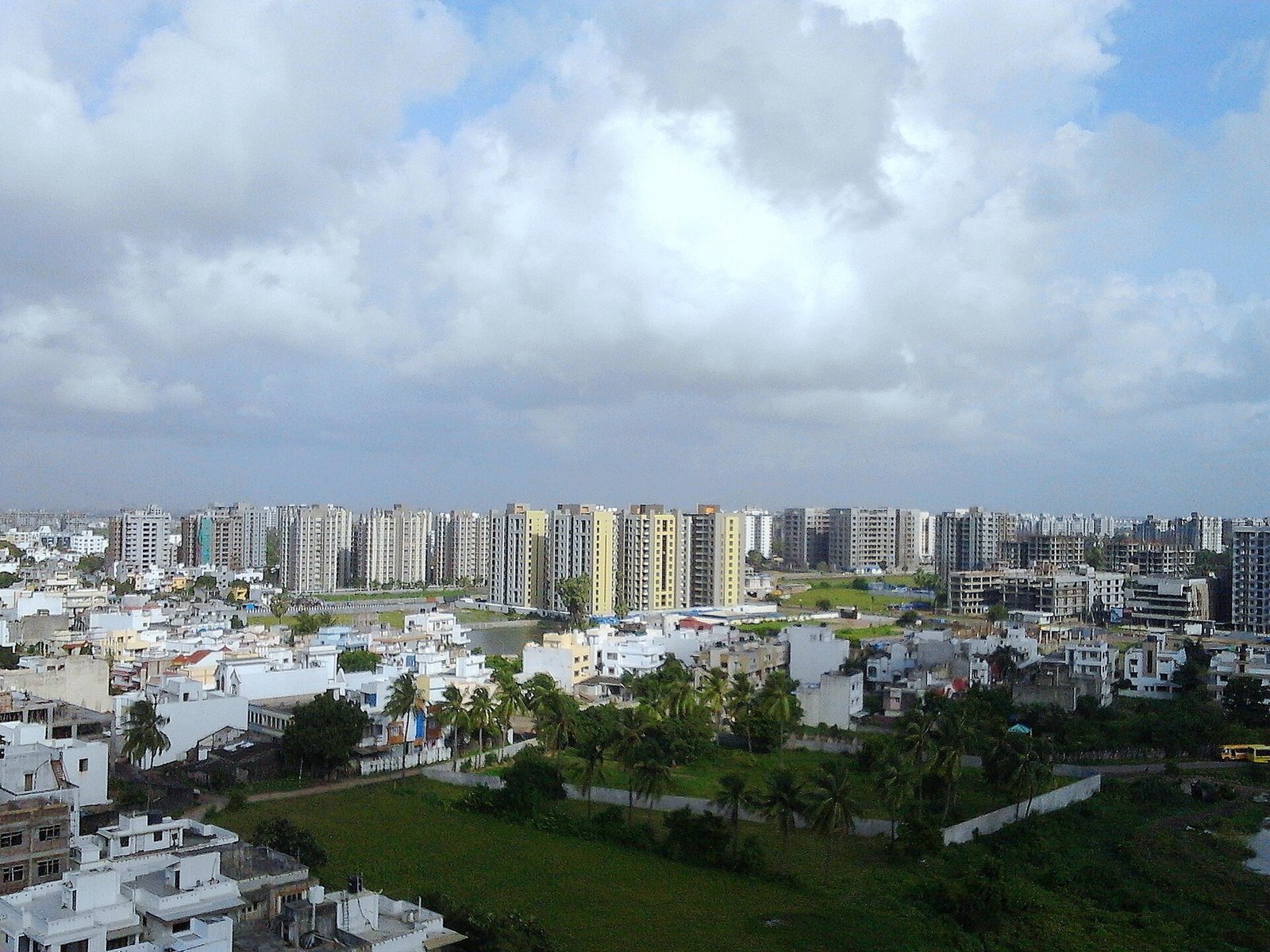
 Illustrative preview
A neighbourhood visit offers a different scale from a city-wide tour of Surat. Instead of moving between widely separated landmarks, you can notice how streets connect, where people pause and how a working area changes across the day. The point is not to uncover a secret destination that other visitors have somehow missed, but to spend enough time in one place to understand a little more of its rhythm.
Research the area around Textile market district or another suitable public part of the city, then establish what makes it interesting to you. Food, buildings, craft or public space can each provide a focus. Keep residential privacy and local access rules central. A quiet street is not an invitation to enter private courtyards, photograph residents closely or treat ordinary homes as visitor attractions.
Surat, in its own words
Surat’s trading history and contemporary commercial energy sit beside the Tapi, with a fort, museums and specialised shopping districts supplying different perspectives on the city. Food deserves a considered place in the visit rather than an afterthought between transfers. Book247 separates the central heritage circuit from coastward outings such as Suvali, and avoids moving more distant Gujarat beaches into the city itself. A good short stay follows the river and old commercial geography before expanding outward.
Choose a boundary small enough to explore
Use a few clear landmarks to define the area and identify how you will arrive and leave. Check walking conditions, crossings and places for a pause. A compact route can still contain physical challenges, so investigate the details relevant to your party. Resist adding a distant stop merely because it is well known or appears on a standard itinerary.
Look for relationships between places. A market, a transport stop and a public building may explain one another when viewed together. Ask why certain activities gather in one area and how the streets support them. Keep the questions open, and avoid turning a visual impression into a confident claim about the whole neighbourhood or the people who live there.
Let the ordinary details hold your attention
A suitable meal involving Locho, a permitted conversation with a shopkeeper or a careful look at a public facade can become the centre of the outing. Allow people to decide whether they want to engage. You can learn a great deal through respectful observation without requiring personal stories or photographs from everyone you meet.
When enquiring with Book247, ask for a neighbourhood-focused route with a clear theme and suitable pace. Explain that you value context over the number of stops. Keep Tapi riverfront as a separate visit if combining it would dilute the neighbourhood experience, and allow the outing to finish when it has given you enough to think about rather than when every street has been covered.
PUT A PLACE TO THE STORY
Three places to research
Tapi riverfront
The river explains much of the city’s development and orientation. Choose established public access points instead of assuming that every bank forms a continuous visitor promenade.
Sardar Vallabhbhai Patel Museum
The museum adds regional historical interpretation to the urban circuit. Check the galleries currently available and separate the collection visit from any scheduled planetarium presentation.
Science Centre
The science complex provides an indoor alternative to a history-heavy itinerary. Choose exhibitions according to the group’s interests rather than simply adding another named venue.
Keep the route realistic
Group the castle, older commercial areas and chosen Tapi-side viewpoints into a central circuit. The science and museum visits may need separate transfers. Suvali and Dumas are coastward journeys, while Bardoli is an inland regional outing; choose one outward direction rather than crisscrossing Surat.
Warm, humid conditions favour shorter outdoor walks and an indoor museum break. Rain affects both the city’s movement patterns and coastward plans. Keep shore visits flexible, and judge a food outing by personal preferences rather than assuming a particular seasonal dish will always be available.
Before the plan becomes a trip
- Define a compact area with clear entry and exit.
- Check walking conditions and public access.
- Choose a theme that connects ordinary places.
- Respect residents' privacy and working routines.
The neighbourhood scale can make Surat feel more understandable. Choose a manageable area, look for the connections between its ordinary places and let a few details carry the experience. You do not need to claim you found a hidden city to enjoy a more attentive visit.
Sources & useful visitor links
Use the destination and heritage authorities below to check current visitor arrangements. Plan your visits around the current information published by these authorities.