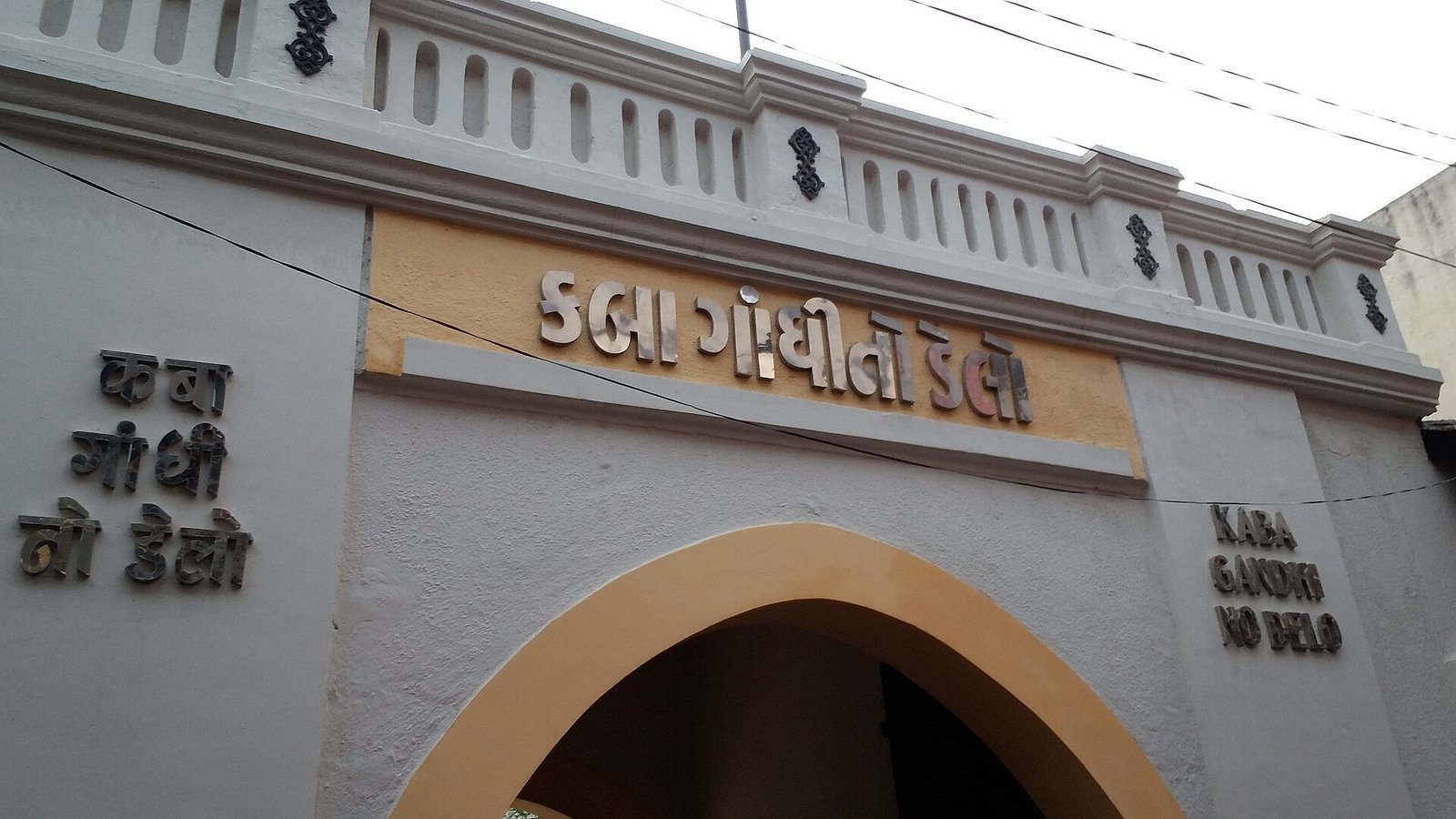
 Illustrative preview
Building your own tour of Rajkot begins with deciding what a successful visit would feel like. Choose a few interests, define the time available and identify the practical needs that shape the day. Then use reliable destination information to explore the possibilities. The result does not need to be elaborate; it needs to be clear enough that you, your companions and any supplier understand what matters most.
Start with Jubilee Garden and Ramakrishna Ashram as research anchors, then consider how Bangdi Bazaar, Kathiawadi thali or Khambhalida Caves might contribute a different kind of experience. Do not include them automatically. Each element should earn its place by matching an interest and fitting the route. A personal itinerary is a set of choices, not a collection of every appealing item found during research.
Rajkot, in its own words
Rajkot offers a Saurashtra city break built around museums, Gandhi-related history and active commercial streets rather than a single overwhelming monument. Jubilee Garden provides an urban anchor, while the surrounding region adds rock-cut archaeology and older settlements. Book247 keeps Jamnagar’s Lakhota Palace out of the Rajkot city list: the two places are distinct despite sometimes appearing together in broad regional suggestions. A focused day here can balance historical interpretation, ordinary shopping and a Kathiawadi meal.
Turn interests into a connected route
Map the actual arrival, base, main visits and finish. Check current access information and investigate the transport between them, using Start around Jubilee Garden, then connect the museum and Gandhi-related stop with a manageable market walk. Aji lies beyond the compact core. Gondal and Khambhalida need separate travel planning; Jamnagar’s lake palace belongs to another city and should remain outside a Rajkot walking route. as a starting question rather than a fixed promise. Group compatible experiences, and give demanding visits enough space. Keep travel, meals and rest visible instead of hiding them in the gaps between headline attractions.
Mark one essential experience and identify which other parts are optional. This makes the plan easier to adapt when conditions change or you discover that a place deserves more attention. Keep an alternative that supports the same interest, and avoid creating a schedule in which one delay makes every later element impossible to enjoy.
Make the brief ready for a useful conversation
Write the plan in plain language: who is travelling, what they care about, the preferred pace and any essential access or dietary requirements. Separate services you want help with from those you will arrange independently. A provider should be able to respond to the actual brief rather than infer your needs from a vague request for the best tour.
Compare the proposed route, guide role, transport, inclusions and conditions before confirming any arrangement. Ask questions about uncertain details and keep the final description accessible during the trip. An editorial itinerary can inspire the journey, but it does not itself create a reservation. The useful next step is a specific proposal whose practical details match the experience you have chosen.
PUT A PLACE TO THE STORY
Three places to research
Jubilee Garden
The central garden is a useful pause around the museum circuit. Its public setting helps connect historical institutions with the rhythms of an active city.
Ramakrishna Ashram
The institution offers a quieter religious and cultural stop in Rajkot. Confirm visitor arrangements and approach it as a living centre rather than a decorative monument.
Aji Dam landscape
Excursion outside the cityThe reservoir-side outing extends beyond the central museum-and-market walk. Use established public areas and distinguish leisure access from operational water infrastructure.
Keep the route realistic
Start around Jubilee Garden, then connect the museum and Gandhi-related stop with a manageable market walk. Aji lies beyond the compact core. Gondal and Khambhalida need separate travel planning; Jamnagar’s lake palace belongs to another city and should remain outside a Rajkot walking route.
Milder conditions favour the central walking circuit and countryside archaeology. During strong heat, give museums more of the day and shorten exposed reservoir or cave visits. Rain can alter outward road plans, so keep a city-based alternative instead of committing every day to a distant excursion.
Before the plan becomes a trip
- Name one essential experience and optional additions.
- Map the real arrival, base and finish.
- Write access and dietary needs into the brief.
- Compare the full service before confirming.
A personal Rajkot tour is strongest when every part has a purpose. Use the research to choose, the route to connect and the brief to communicate. Keep enough flexibility for the day to develop, and let the experience reflect the people taking the trip rather than a standard list.
Sources & useful visitor links
Use the destination and heritage authorities below to check current visitor arrangements. Plan your visits around the current information published by these authorities.