 Illustrative preview
Slow travel in Pushkar is not defined by doing nothing or rejecting the important sights. It is a choice to give fewer experiences more time and to leave space between them. You might spend a substantial part of a day at Rangji Temple, return to the same neighbourhood or allow a meal to become the main event. The pace should reflect what you value, rather than a rule about how travel ought to look.
Choose a base that makes ordinary routines comfortable. A manageable walk, a suitable place to eat and a clear way to reach your main interest can matter more than a long list of facilities. The setting around Lake-approach bazaars may be worth investigating, but choose the neighbourhood for its actual fit with your needs. Slow travel still benefits from precise information about access, transport and daily comfort.
Pushkar, in its own words
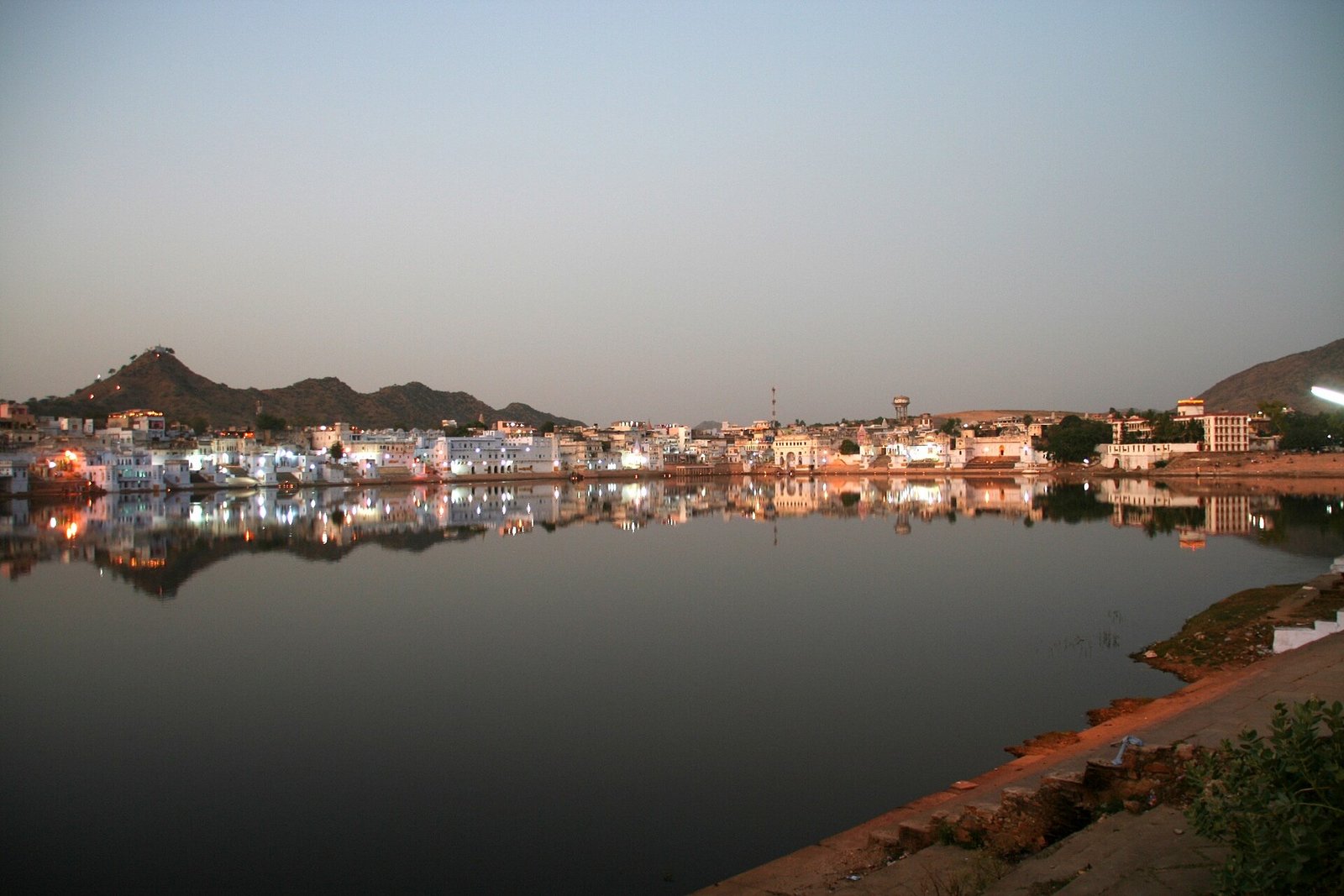
Pushkar is shaped by the sacred lake and the hills around it. Temples, ghats and market streets are close enough to invite a measured walk, but worship determines the rhythm. Treat the surrounding viewpoints and neighbouring Ajmer as extensions rather than distractions from the town's quieter details. This Book247 edition connects Pushkar Lake with Varaha Temple, leaving room for Malpua and the everyday life around Lake-approach bazaars.
Let attention replace the urge to add stops
Give each day one main focus and leave the rest deliberately loose. Notice what becomes interesting when you are no longer watching the clock for the next departure. A small architectural detail, an object in a collection or the context of Malpua can support further research. You do not need to convert every observation immediately into another scheduled activity.
Consider revisiting a public area at a different point in the stay, where conditions and access allow. Repetition can reveal patterns you missed initially, while also making everyday choices easier. Keep the distinction between familiarity and entitlement clear: returning to a neighbourhood does not create a right to private access or personal attention from people working there.
Make room for ordinary practical needs
A slower stay often works better when laundry, rest, communication and meals are not treated as interruptions. Put these needs into the plan without embarrassment. If you consider Ajmer, ask whether the full journey contributes to the pace you want. A day spent mostly in transit may be worthwhile, but it should be a deliberate decision rather than a default inclusion.
When comparing a proposal, ask which parts can remain open and which need advance booking. A guide can be useful for one thoughtful segment without occupying the entire day. Keep your brief clear about the amount of walking, conversation and independent time you prefer, so a slower itinerary is designed with purpose rather than simply emptied of activities.
PUT A PLACE TO THE STORY
Three places to research
Rangji Temple
The temple combines a prominent southern-style gateway with other regional architectural influences. Look closely at proportions and ornament rather than counting another building.
Savitri Temple
The hill shrine changes the perspective from the lake's edge to its surrounding valley. Follow local worship etiquette and allow time for the surrounding precinct.
Gurdwara Singh Sabha
The gurdwara commemorates Sikh connections and broadens the town's religious landscape. Follow local worship etiquette and allow time for the surrounding precinct.
Keep the route realistic
Pushkar's temple streets curve around the lake, while Savitri rises above it; Ajmer requires a separate crossing of the intervening hills. Group nearby stops before crossing the wider urban area, and keep the two outlying journeys separate from the core sightseeing circuit. Distance on a map rarely captures every transfer.
Cooler months suit the ghats and hill viewpoints; summer heat and major fair dates alter the pace of visiting. Put exposed stops such as Pushkar Lake in the more comfortable part of the day, retain an indoor alternative, and confirm local conditions before committing to an excursion.
Before the plan becomes a trip
- Choose one main focus for each day.
- Select a base that supports everyday routines.
- Leave time between reserved activities.
- Treat an excursion as a deliberate change of pace.
Trip & tour with Book247 can begin with a slower brief: fewer transfers, meaningful visits and time that remains your own. Let Pushkar reward attention rather than speed, and choose a rhythm that helps you notice more without requiring you to do more.
Sources & useful visitor links
Use the destination and heritage authorities below to check current visitor arrangements. Plan your visits around the current information published by these authorities.