 Illustrative preview
Heritage in Pushkar is more useful as a question than a label. Ask what a place was built for, who used it and how its purpose changed. The surroundings of Gurdwara Singh Sabha can provide a starting point, but the walk becomes more interesting when you also notice street patterns, building materials, places of work and the boundaries between public and private life.
Research the relationship between Gurdwara Singh Sabha and Pushkar Lake without assuming they belong to the same period or story. A responsible itinerary distinguishes documented history from legend, and interpretation from certainty. Read an official or specialist source before the walk, then prepare a few questions you would like a knowledgeable guide to explain in the setting of the actual place.
Pushkar, in its own words
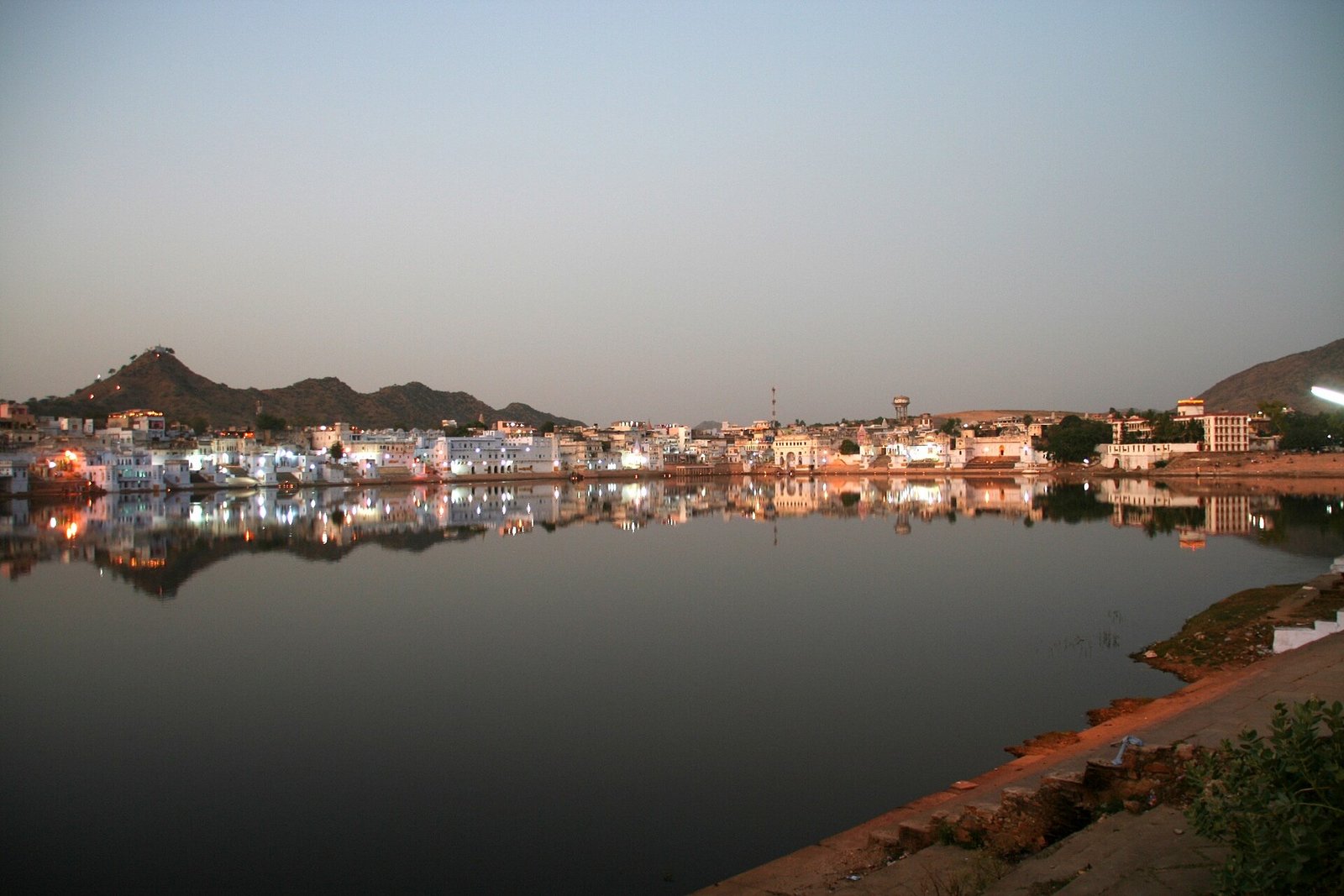
Pushkar is shaped by the sacred lake and the hills around it. Temples, ghats and market streets are close enough to invite a measured walk, but worship determines the rhythm. Treat the surrounding viewpoints and neighbouring Ajmer as extensions rather than distractions from the town's quieter details. This Book247 edition connects Pushkar Lake with Varaha Temple, leaving room for Malpua and the everyday life around Lake-approach bazaars.
Choose a story, then choose the route
A coherent walk might follow trade, civic life, religious practice, housing or a period of architectural change. Its stops should contribute to that theme rather than simply be old. Check whether the streets are comfortable for your group and whether any part requires entry permission. Public visibility does not necessarily mean public access.
Build in opportunities to observe ordinary details. Shopfronts, courtyards visible from public areas and the layout around Lake-approach bazaars can reveal the continuing use of an older neighbourhood. Avoid blocking entrances or treating residents as part of an exhibit. A good walk leaves space for contemporary life to continue around the visitors.
Ask for interpretation with evidence
When choosing a guide, ask about their training, the focus of the walk and how they handle disputed or uncertain stories. A confident presentation is not the same as a well-supported one. Request a route description that identifies any ticketed places, restricted interiors and walking surfaces before committing to the outing.
Book247 can help frame a heritage-focused enquiry around your interests and pace. Keep the brief specific: you want context, suitable access and time for questions. Plan a meal or pause that fits the area, perhaps researching the history behind Malpua, while keeping food stories separate from claims that have not been verified.
PUT A PLACE TO THE STORY
Three places to research
Rangji Temple
The temple combines a prominent southern-style gateway with other regional architectural influences. Look closely at proportions and ornament rather than counting another building.
Brahma Temple
The red-spired temple remains one of Pushkar's principal places of pilgrimage and worship. Follow local worship etiquette and allow time for the surrounding precinct.
Varaha Temple
The shrine dedicated to Vishnu's boar incarnation adds another layer to the sacred circuit. Follow local worship etiquette and allow time for the surrounding precinct.
Keep the route realistic
Pushkar's temple streets curve around the lake, while Savitri rises above it; Ajmer requires a separate crossing of the intervening hills. Group nearby stops before crossing the wider urban area, and keep the two outlying journeys separate from the core sightseeing circuit. Distance on a map rarely captures every transfer.
Cooler months suit the ghats and hill viewpoints; summer heat and major fair dates alter the pace of visiting. Put exposed stops such as Pushkar Lake in the more comfortable part of the day, retain an indoor alternative, and confirm local conditions before committing to an excursion.
Before the plan becomes a trip
- Choose a historical theme for the walk.
- Distinguish documented facts from local stories.
- Check permissions for interiors and courtyards.
- Keep residential entrances and working spaces clear.
A heritage walk should make Pushkar more legible, not freeze it in the past. Follow a clear story, ask where the evidence comes from and notice how older places are used today. That combination gives even a short route more depth than a catalogue of monuments.
Sources & useful visitor links
Use the destination and heritage authorities below to check current visitor arrangements. Plan your visits around the current information published by these authorities.