 Illustrative preview
A hands-on activity in New Delhi can create a different relationship with a place from simply observing it. The experience might involve a craft, food preparation or another form of local knowledge, but its value depends on the actual activity and the person leading it. Research what is genuinely offered rather than assuming every tradition associated with a destination is available as a visitor workshop.
Use the context of Janpath or Chaat to identify questions worth exploring, then look for a suitable host or organisation. Clarify whether the session is an introduction, a demonstration with limited participation or a more substantial lesson. These can all be worthwhile, but they should not be described as the same experience. Choose the format that suits your interest, available time and physical comfort.
New Delhi, in its own words
New Delhi’s planned capital landscape is the focus here: broad avenues, civic monuments, museums and the commercial circles around Connaught Place. It is distinct from the Shahjahanabad walk in the separate Delhi edition. Book247 suggests reading the public spaces as a connected urban design, then choosing a museum or garden for depth. Official buildings are working institutions, so an exterior view and an arranged interior visit should never be presented as the same experience.
Understand what you will actually do
Ask about the sequence of the session, the materials provided and the level of participation expected. Find out whether you will make something, observe a process or try a small part under supervision. A short introduction should not imply mastery of a complex skill. The organiser should be able to explain what a visitor can realistically learn in the time available.
Check the setting and any requirements relevant to your party, including seating, language support, equipment and age suitability. If food preparation is involved, discuss dietary needs and ingredients before confirming. Do not assume the workshop can adapt to every requirement simply because it is described as private; changes may need advance planning or may not be feasible.
Respect the work and the learning process
Ask before photographing the host, other participants or a process that may be sensitive to the business. Treat tools, materials and working space with care, following the host's instructions. If an object is included, clarify how it will be finished, packed or transported. The practical handling of an unfinished item can matter more than the promise of taking home a souvenir.
When discussing an activity through Book247, request the host's role, group size, duration and cancellation conditions. Place the session where it has room in the day, instead of squeezing it between Gurdwara Bangla Sahib and India Gate. A learning experience rewards attention and patience; allow time afterwards to reflect on the skill involved rather than immediately moving on to the next task.
PUT A PLACE TO THE STORY
Three places to research
Gurdwara Bangla Sahib
The Sikh shrine near the central commercial district adds a living religious setting to the itinerary. Follow guidance around dress, footwear and public circulation.
India Gate
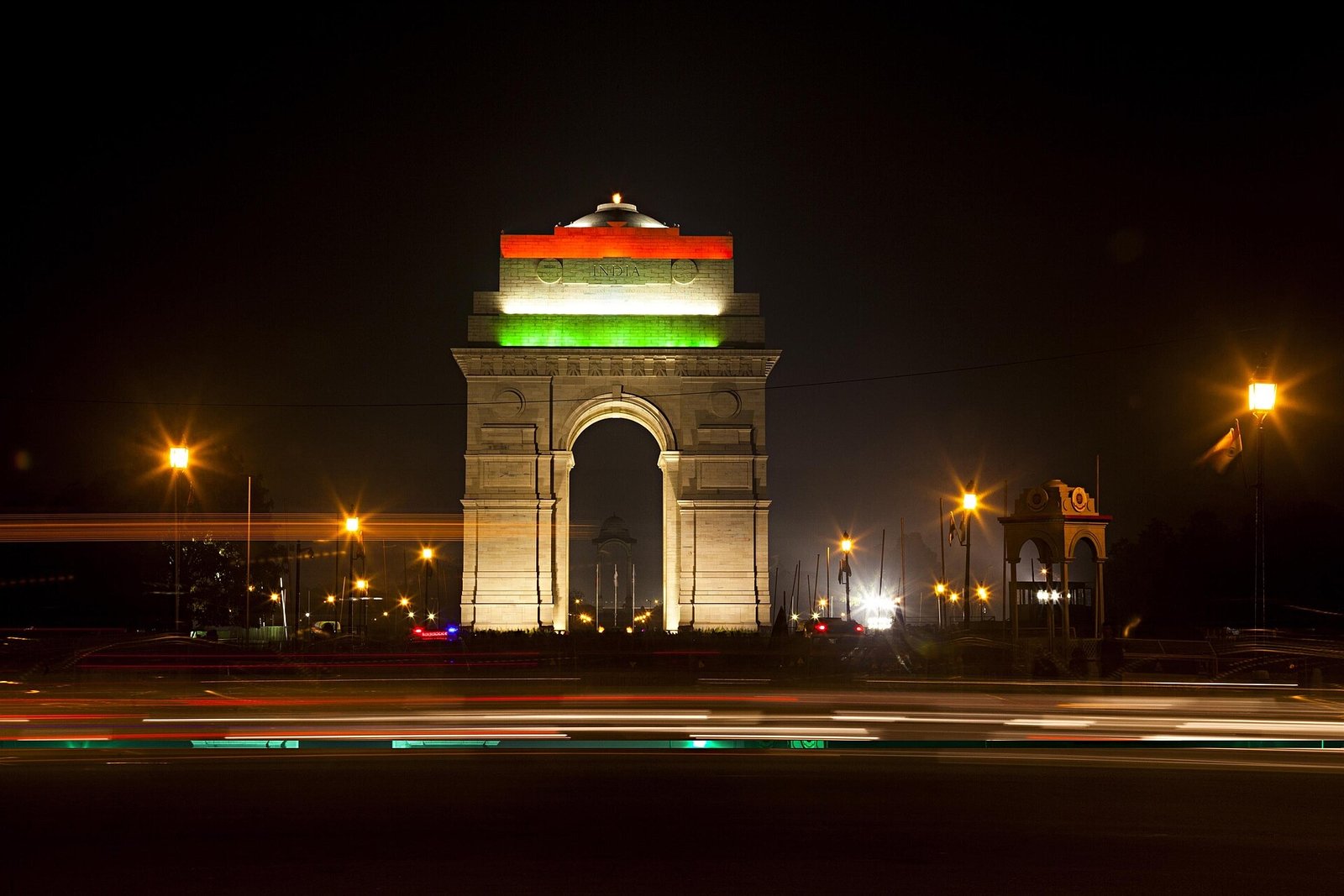
The war memorial is a central point in the capital’s ceremonial landscape. Approach it through permitted public areas and check local arrangements during official events.
Kartavya Path precinct
The broad civic axis helps explain the planned capital’s scale and layout. Treat official buildings along the route as separate visits requiring their own arrangements.
Keep the route realistic
Group Connaught Place, Janpath, Bangla Sahib and nearby Jantar Mantar into a central circuit. India Gate and the civic axis deserve another considered walk. Old Delhi is a separate urban landscape, and southern monuments require transit rather than an ambitious continuous walking route.
The capital’s large open spaces can feel demanding in strong heat, so plan shorter outdoor sections and a museum or sheltered meal break. Milder weather suits longer walks. Rain and official events can change circulation; confirm access rather than relying on a ceremonial map alone.
Before the plan becomes a trip
- Clarify demonstration versus genuine participation.
- Ask what can be learned in the session.
- Confirm materials, access and language support.
- Check finishing and transport for included objects.
A workshop can add depth to a New Delhi visit when the expectations are realistic and the host's expertise is respected. Choose a clear activity, give the learning process your attention and value the understanding gained alongside anything you make. Participation is most rewarding when it does not rush the work.
Sources & useful visitor links
Use the destination and heritage authorities below to check current visitor arrangements. Plan your visits around the current information published by these authorities.