 Illustrative preview
An accessible visit to New Delhi begins with the traveller's actual requirements and preferences. Access can involve mobility, vision, hearing, sensory conditions, fatigue or a combination of needs that changes from day to day. A single label cannot describe all of these. The useful question is whether each part of the proposed journey can work for the person who will use it.
Investigate the complete experience at Kartavya Path precinct, not only the presence of a ramp at an entrance. Arrival, surfaces, internal routes, seating, toilets and the way you leave all matter. Apply the same approach to accommodation, restaurants and transport. A gap between two otherwise suitable elements can become the part of the trip that is most difficult to manage.
New Delhi, in its own words
New Delhi’s planned capital landscape is the focus here: broad avenues, civic monuments, museums and the commercial circles around Connaught Place. It is distinct from the Shahjahanabad walk in the separate Delhi edition. Book247 suggests reading the public spaces as a connected urban design, then choosing a museum or garden for depth. Official buildings are working institutions, so an exterior view and an arranged interior visit should never be presented as the same experience.
Ask questions that can be answered precisely
Describe the features you need and request specific information rather than reassurance. Depending on the requirement, useful details may include step-free routes, door widths, lift dimensions, walking surfaces, quiet spaces, visual information or assistance arrangements. Ask whether the information is current and whether a temporary closure or maintenance issue affects the route you intend to use.
For transport, discuss the actual vehicle and boarding process, the storage of equipment and the help that can be provided. Confirm whether assistance must be requested in advance. Do not assume a vehicle described as spacious will accommodate a particular mobility device, or that a short journey will automatically be comfortable for the traveller.
Keep choice and dignity at the centre
Plan with the traveller rather than around them. Agree where support is welcome, what alternatives are acceptable and which experiences matter enough to justify extra planning. A suitable route around Janpath or Connaught Place may need a different approach from a standard tour, and that adaptation should be discussed without presenting it as a lesser version of the visit.
When enquiring with Book247, put essential requirements into the written brief and ask the proposed supplier to confirm them individually. Keep a realistic alternative for any arrangement that remains uncertain. Review the plan again before travel, since facilities and assistance can change. Clear communication protects choice far better than a broad promise that everything will be taken care of.
PUT A PLACE TO THE STORY
Three places to research
Kartavya Path precinct
The broad civic axis helps explain the planned capital’s scale and layout. Treat official buildings along the route as separate visits requiring their own arrangements.
Connaught Place
The circular commercial district provides a contrasting everyday centre to the ceremonial avenues. Walk the arcades in sections, allowing time to understand their layout.
Jantar Mantar
The historic astronomical structures offer a different kind of observation within the modern capital district. Read the interpretation rather than treating the instruments as abstract sculpture.
Keep the route realistic
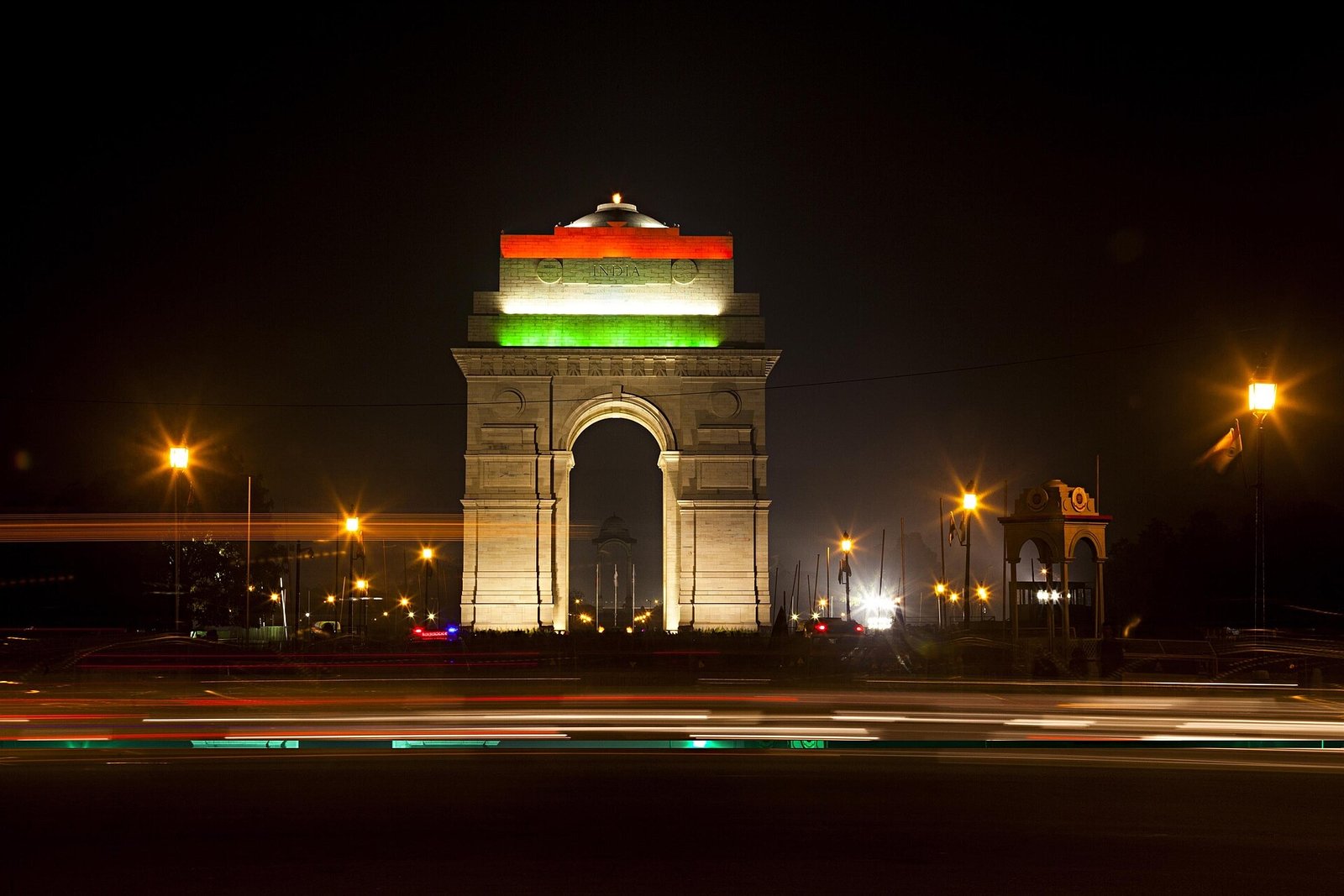
Group Connaught Place, Janpath, Bangla Sahib and nearby Jantar Mantar into a central circuit. India Gate and the civic axis deserve another considered walk. Old Delhi is a separate urban landscape, and southern monuments require transit rather than an ambitious continuous walking route.
The capital’s large open spaces can feel demanding in strong heat, so plan shorter outdoor sections and a museum or sheltered meal break. Milder weather suits longer walks. Rain and official events can change circulation; confirm access rather than relying on a ceremonial map alone.
Before the plan becomes a trip
- Describe individual requirements in concrete terms.
- Verify the entire route, including exit arrangements.
- Confirm actual vehicle and equipment compatibility.
- Recheck essential access details before travelling.
Accessibility planning should create informed choices, not rely on optimistic labels. Build the New Delhi visit from verified details, keep the traveller involved in every important decision and treat alternatives as useful options. The right plan is the one that works for the person taking the journey.
Sources & useful visitor links
Use the destination and heritage authorities below to check current visitor arrangements. Plan your visits around the current information published by these authorities.