 Illustrative preview
Packing for Kohima is easier when you begin with the itinerary rather than a universal list of travel essentials. Consider the weather expected on your dates, the kind of walking you plan and the places where bags or particular items may be restricted. A useful packing decision makes the day more comfortable without requiring you to carry equipment for every imaginable situation.
Research visitor rules at Kohima War Cemetery and Nagaland State Museum, along with any requirements connected to worship, a workshop or an outdoor excursion. Check Kohima's steep neighbourhoods need measured transfers; Kisama lies south of the capital, while Khonoma and Dzuleke are separate rural journeys. Group nearby stops before crossing the wider urban area, and keep the two outlying journeys separate from the core sightseeing circuit. Distance on a map rarely captures every transfer. for the questions to ask about luggage during transfers. Your intercity bags and the smaller items needed during a visit have different purposes, and planning that distinction can prevent unnecessary carrying, repacking and last-minute storage problems.
Kohima, in its own words
Kohima combines a living hill capital with places of remembrance and cultural interpretation. The war cemetery and museum deserve a thoughtful pace, while church architecture and village connections broaden the visit. Keep Kisama, Khonoma and longer valley journeys clearly separate from the city's compact central stops. This Book247 edition connects Kohima War Cemetery with Mary Help of Christians Cathedral, leaving room for Rice with seasonal vegetables and the everyday life around Kohima market streets.
Build the day bag around actual use
Choose footwear and clothing that suit the activities you will do, rather than what looks appropriate in a travel photograph. Carry personal essentials you know you need, and plan access to suitable drinking water. Keep necessary medication and related documentation organised according to your own requirements, with professional advice where relevant. Avoid relying on a guide to supply personal items that were never part of the arrangement.
Keep documents, contact details and booking information available in a practical form without putting sensitive information on public display. Consider how the day will work if your phone battery or data connection is unavailable. A small backup can be useful, but carrying several duplicate devices and heavy accessories may undermine the comfort you were trying to create.
Make luggage compatible with the journey
Confirm the luggage capacity of any booked vehicle and the arrangements before check-in or after checkout. Do not assume an excursion to Khonoma can accommodate the same bags as a direct transfer. If you expect to shop around Kohima market streets, leave appropriate room and ask about the care or transport requirements of anything fragile before buying it.
When enquiring through Book247, describe unusual equipment, mobility aids or larger bags before the vehicle or activity is confirmed. Ask what can be carried inside the planned sites and what must remain elsewhere. A clear luggage plan reduces friction for the whole group and keeps the guide's attention on the experience rather than on solving avoidable storage problems.
PUT A PLACE TO THE STORY
Three places to research
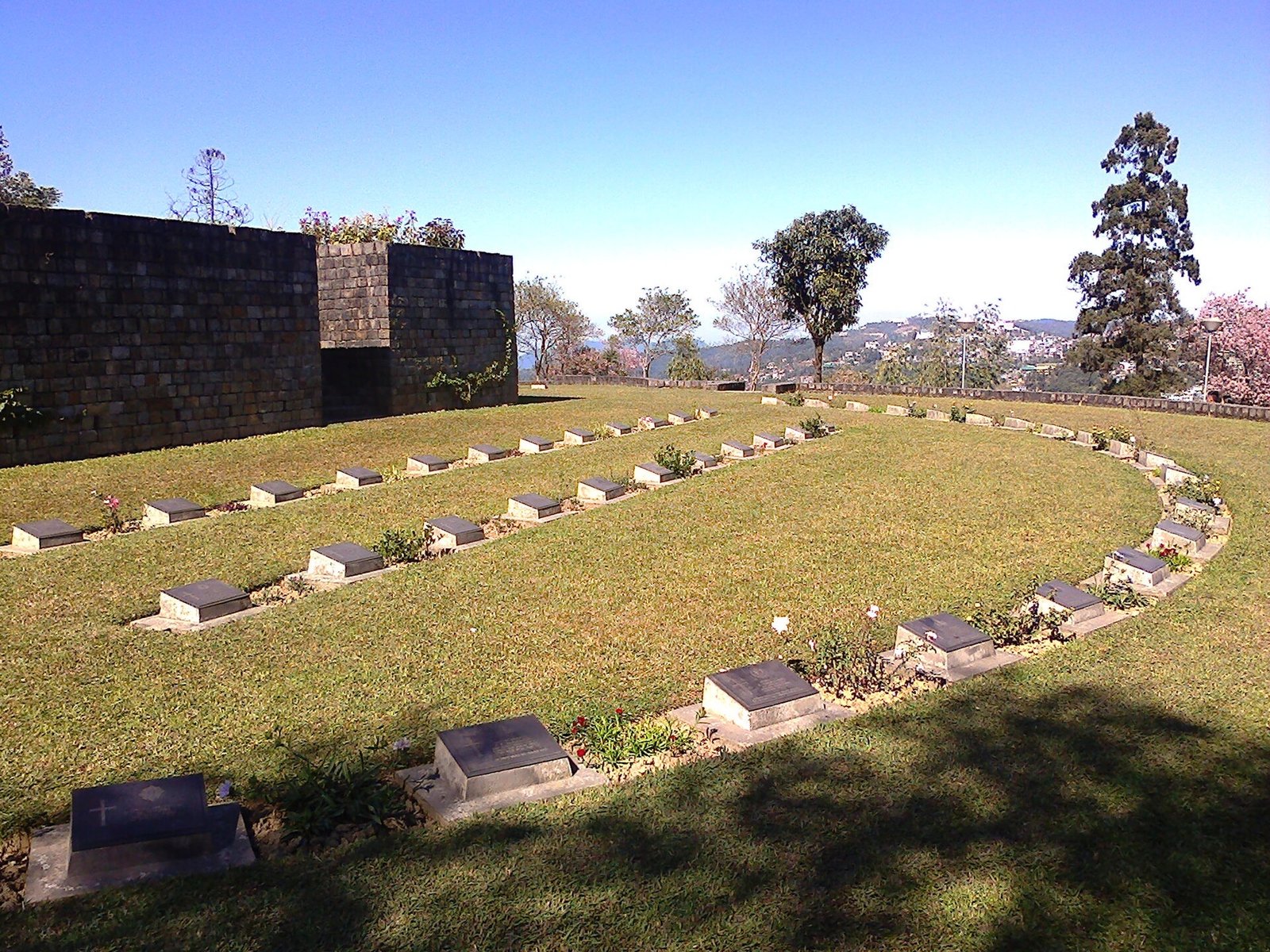
Kohima War Cemetery
The cemetery on Garrison Hill commemorates the fighting at Kohima in 1944. Read the surviving fabric before moving to the next landmark.
Nagaland State Museum
Textiles, objects and interpretive displays introduce the diversity of Nagaland's communities. Use the displays to give the surrounding places a fuller context.
Mary Help of Christians Cathedral
The cathedral forms a prominent religious landmark within the capital's hilly landscape. Follow local worship etiquette and allow time for the surrounding precinct.
Keep the route realistic
Kohima's steep neighbourhoods need measured transfers; Kisama lies south of the capital, while Khonoma and Dzuleke are separate rural journeys. Group nearby stops before crossing the wider urban area, and keep the two outlying journeys separate from the core sightseeing circuit. Distance on a map rarely captures every transfer.
Cooler drier periods favour hill travel; monsoon rain and festival demand can reshape a practical itinerary. Put exposed stops such as Kohima War Cemetery in the more comfortable part of the day, retain an indoor alternative, and confirm local conditions before committing to an excursion.
Before the plan becomes a trip
- Check bag restrictions at planned sites.
- Pack for actual weather and walking demands.
- Keep essential information usable without mobile data.
- Confirm storage and vehicle luggage capacity.
A good packing list supports the trip without taking it over. Choose what your Kohima itinerary genuinely requires, keep important personal items close and solve luggage transitions before travel. Travelling a little more simply can create useful freedom once you begin exploring.
Sources & useful visitor links
Use the destination and heritage authorities below to check current visitor arrangements. Plan your visits around the current information published by these authorities.