 Illustrative preview
Culture in Kohima is not confined to a landmark or a scheduled show. It may appear in language, food, craft, worship, work and the use of public space. Research the traditions you hope to understand, while recognising that a city can contain many communities and perspectives. No single performance, meal or conversation can stand in for the whole place.
Use Kisama Heritage Village, Kohima market streets and the story of Rice with seasonal vegetables as possible starting points for questions. Then look for experiences that are genuinely open to visitors. A community practice is not automatically a visitor activity, and access can depend on invitation, context or a particular event. The most useful plan makes the difference between observing, attending and participating clear before you arrive.
Kohima, in its own words
Kohima combines a living hill capital with places of remembrance and cultural interpretation. The war cemetery and museum deserve a thoughtful pace, while church architecture and village connections broaden the visit. Keep Kisama, Khonoma and longer valley journeys clearly separate from the city's compact central stops. This Book247 edition connects Kohima War Cemetery with Mary Help of Christians Cathedral, leaving room for Rice with seasonal vegetables and the everyday life around Kohima market streets.
Choose an experience with a clear context
If a performance interests you, research the form, the venue and how it is presented. A short introduction can help you understand what you see without expecting you to become an expert. Check whether the event is a public performance, a private function or a demonstration adapted for visitors, and describe it accurately afterwards.
For a craft or community encounter, ask what interaction has been arranged and how the participants are paid. Allow the host to set boundaries around photography and discussion. A respectful visit does not depend on access to private homes or personal stories. Sometimes a public exhibition or a structured workshop provides the more appropriate setting.
Leave room for more than one story
Listen for differences within the city rather than searching for a single definitive version. Ask open questions and avoid treating one person's experience as universal. When research sources disagree, note the uncertainty instead of selecting the most dramatic account. Cultural understanding grows through context, including the knowledge that your visit offers only a partial view.
When comparing an experience through Book247, request the host's role, the group size and any expectations of visitors. Confirm language support and whether you can decline an activity without disrupting the rest of the day. Connect the encounter with a suitable route, leaving time afterwards to reflect rather than immediately rushing to another unrelated stop.
PUT A PLACE TO THE STORY
Three places to research
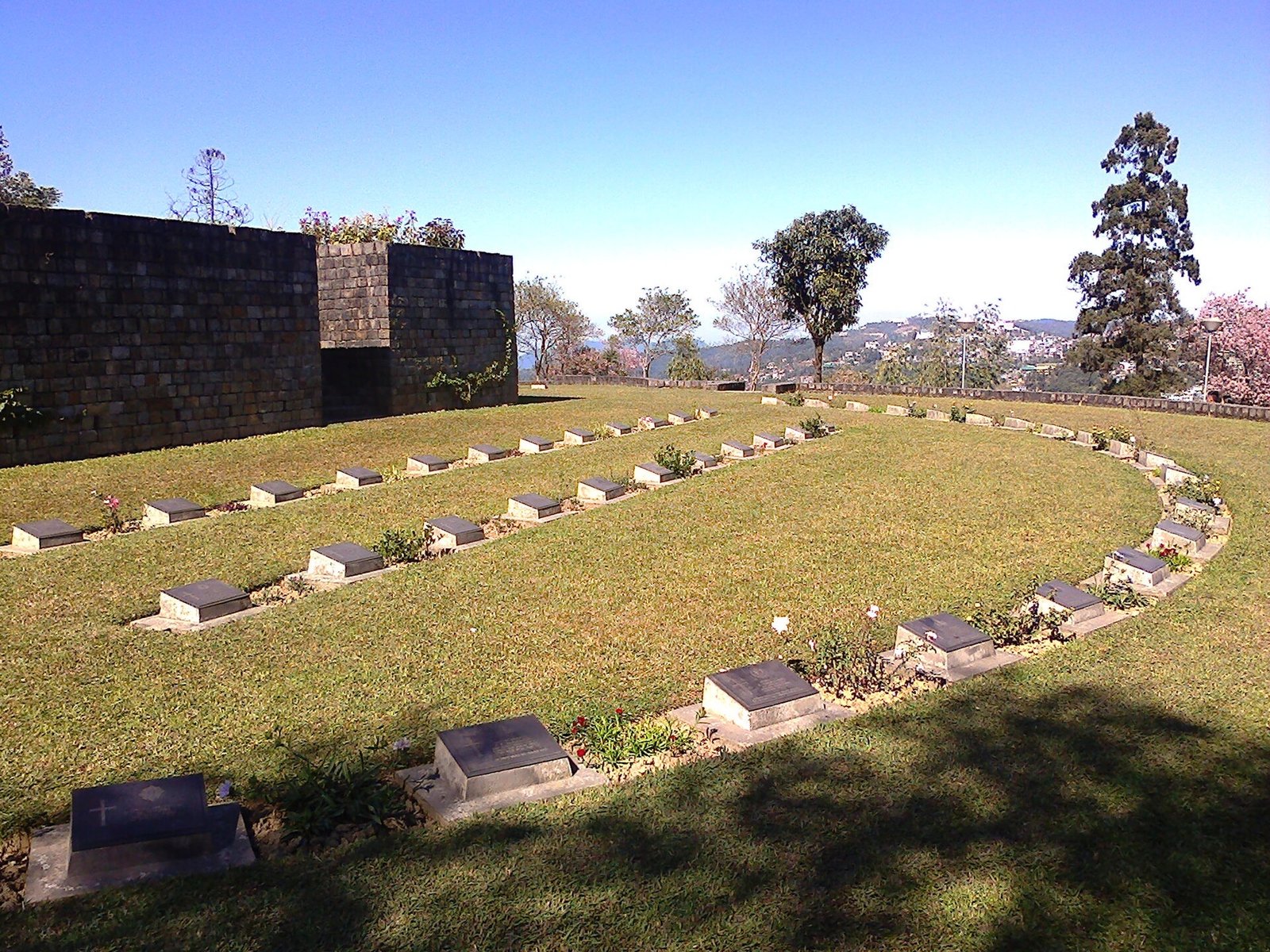
Kohima War Cemetery
The cemetery on Garrison Hill commemorates the fighting at Kohima in 1944. Read the surviving fabric before moving to the next landmark.
Kisama Heritage Village
Excursion outside the cityThe cultural complex lies south of Kohima and is distinct from the city centre. Read the surviving fabric before moving to the next landmark.
Nagaland State Museum
Textiles, objects and interpretive displays introduce the diversity of Nagaland's communities. Use the displays to give the surrounding places a fuller context.
Keep the route realistic
Kohima's steep neighbourhoods need measured transfers; Kisama lies south of the capital, while Khonoma and Dzuleke are separate rural journeys. Group nearby stops before crossing the wider urban area, and keep the two outlying journeys separate from the core sightseeing circuit. Distance on a map rarely captures every transfer.
Cooler drier periods favour hill travel; monsoon rain and festival demand can reshape a practical itinerary. Put exposed stops such as Kohima War Cemetery in the more comfortable part of the day, retain an indoor alternative, and confirm local conditions before committing to an excursion.
Before the plan becomes a trip
- Check that the experience welcomes visitors.
- Understand whether you observe or participate.
- Ask about payment and photography boundaries.
- Avoid presenting one account as universal.
A cultural visit succeeds when it increases understanding without demanding that people reshape their lives for the visitor. Come to Kohima with prepared questions, listen carefully and respect the limits of your access. A small, well-contextualised encounter can carry more meaning than an elaborate performance of intimacy.
Sources & useful visitor links
Use the destination and heritage authorities below to check current visitor arrangements. Plan your visits around the current information published by these authorities.