 Illustrative preview
A Kohima itinerary can involve several services, each with its own payment and change conditions. Accommodation, transport, admissions and guiding may not be controlled by the same provider even when they appear in one proposal. Before confirming, identify what you are buying, who provides it and which terms apply. Clear arrangements are part of the travel experience, not an administrative detail to leave until something changes.
Use the proposed day around Kohima village, Kisama Heritage Village and any meal or excursion to make the questions concrete. Which visits require reservations? Which costs are paid locally? What happens if a key attraction is unavailable? A general promise that the itinerary is flexible should be translated into specific options and any effect on the total price before you rely on it.
Kohima, in its own words
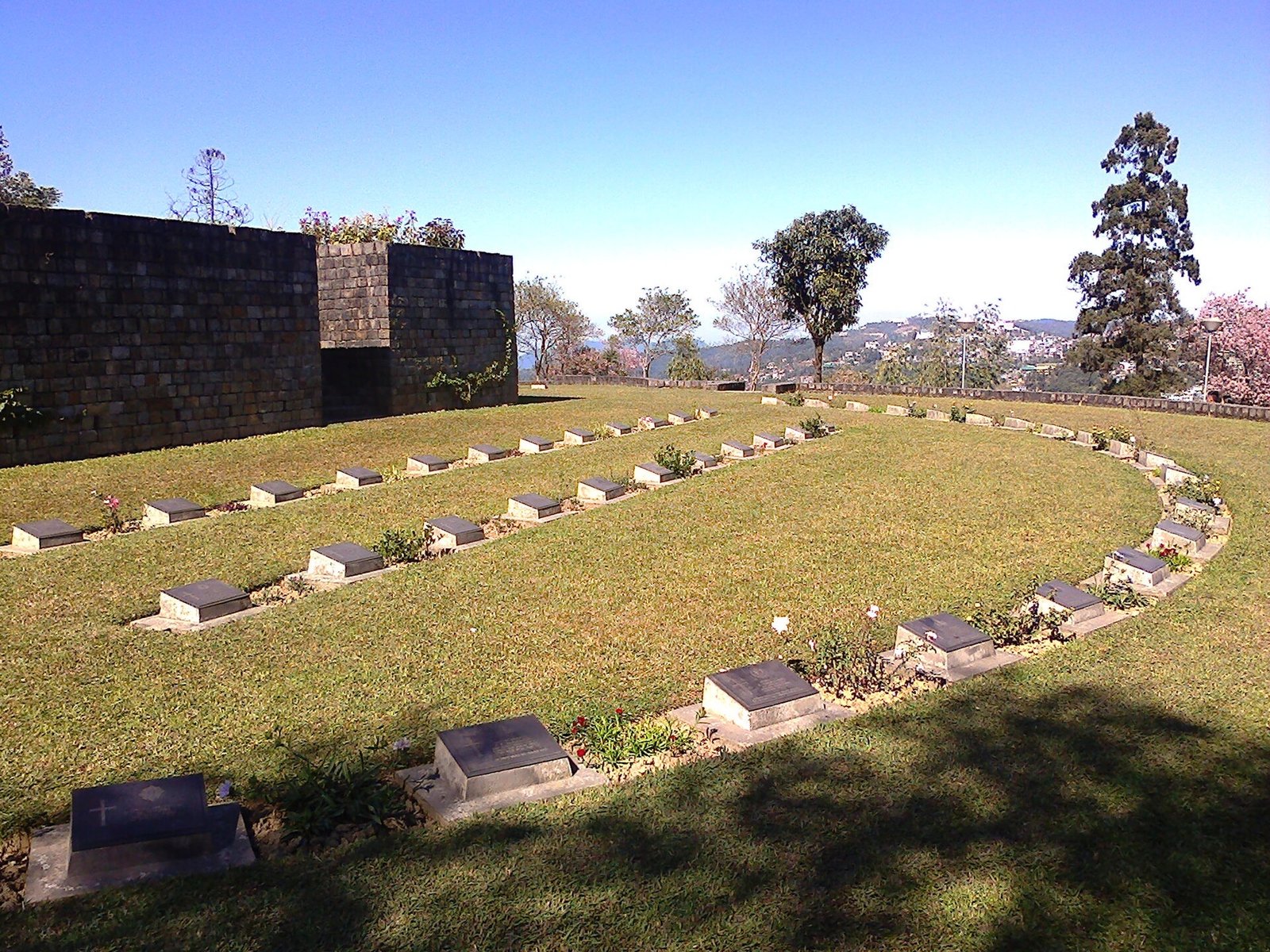
Kohima combines a living hill capital with places of remembrance and cultural interpretation. The war cemetery and museum deserve a thoughtful pace, while church architecture and village connections broaden the visit. Keep Kisama, Khonoma and longer valley journeys clearly separate from the city's compact central stops. This Book247 edition connects Kohima War Cemetery with Mary Help of Christians Cathedral, leaving room for Rice with seasonal vegetables and the everyday life around Kohima market streets.
Make the service and payment schedule visible
Request a written description of inclusions, exclusions, dates, participant numbers and the actual starting and finishing arrangements. Check payment deadlines and the method used to confirm receipt. Keep records in a form you can access during the trip without placing sensitive financial information on public devices or sharing it unnecessarily with people who do not need it.
Read the cancellation and rescheduling conditions for each substantial element. Ask when a charge becomes non-refundable and whether changing one part affects another. Do not assume the conditions of a hotel, ticket or independent operator are replaced by a broad statement in a tour description. Where the wording is unclear, request clarification before payment rather than interpreting it in the most favourable way.
Plan for ordinary changes without expecting certainty
Ask how delays, weather changes or unavailable visits are handled, including who contacts you and who approves an alternative. A substitute should be evaluated for its relevance to your trip, not simply its presence on another list. If Khonoma is the main reason for booking, explain that clearly so its importance is understood when discussing possible changes.
When comparing a Book247 proposal, keep the product's current status clear and confirm which services can actually be supplied. An editorial guide is not a reservation or a guarantee of availability. If you need interpretation of a legal right or a dispute, obtain appropriate advice for the specific situation; general planning guidance cannot decide the outcome of an individual contract.
PUT A PLACE TO THE STORY
Three places to research
Kohima village
The older village settlement gives context to the capital beyond its administrative streets. Walk a manageable stretch, keeping everyday residents and businesses in mind.
Kisama Heritage Village
Excursion outside the cityThe cultural complex lies south of Kohima and is distinct from the city centre. Read the surviving fabric before moving to the next landmark.
Khonoma village
Excursion outside the cityThe Angami village and its conservation associations belong to a dedicated countryside visit. Walk a manageable stretch, keeping everyday residents and businesses in mind.
Keep the route realistic
Kohima's steep neighbourhoods need measured transfers; Kisama lies south of the capital, while Khonoma and Dzuleke are separate rural journeys. Group nearby stops before crossing the wider urban area, and keep the two outlying journeys separate from the core sightseeing circuit. Distance on a map rarely captures every transfer.
Cooler drier periods favour hill travel; monsoon rain and festival demand can reshape a practical itinerary. Put exposed stops such as Kohima War Cemetery in the more comfortable part of the day, retain an indoor alternative, and confirm local conditions before committing to an excursion.
Before the plan becomes a trip
- Keep a written inclusion and exclusion list.
- Read each service's payment and cancellation schedule.
- Ask who approves and communicates substitutions.
- Distinguish planning content from confirmed reservations.
Understanding the terms helps you choose with confidence and respond more calmly if the trip changes. Make the practical agreement as clear as the sightseeing plan, keep useful records and ask unanswered questions before confirming your Kohima arrangements. Good preparation begins well before the first meeting point.
Sources & useful visitor links
Use the destination and heritage authorities below to check current visitor arrangements. Plan your visits around the current information published by these authorities.