 Illustrative preview
Building your own tour of Jhansi begins with deciding what a successful visit would feel like. Choose a few interests, define the time available and identify the practical needs that shape the day. Then use reliable destination information to explore the possibilities. The result does not need to be elaborate; it needs to be clear enough that you, your companions and any supplier understand what matters most.
Start with Government Museum, Jhansi and Maharaja Gangadhar Rao cenotaph as research anchors, then consider how Sipri and old-city bazaars, Bundelkhand-style dal and roti or Orchha might contribute a different kind of experience. Do not include them automatically. Each element should earn its place by matching an interest and fitting the route. A personal itinerary is a set of choices, not a collection of every appealing item found during research.
Jhansi, in its own words
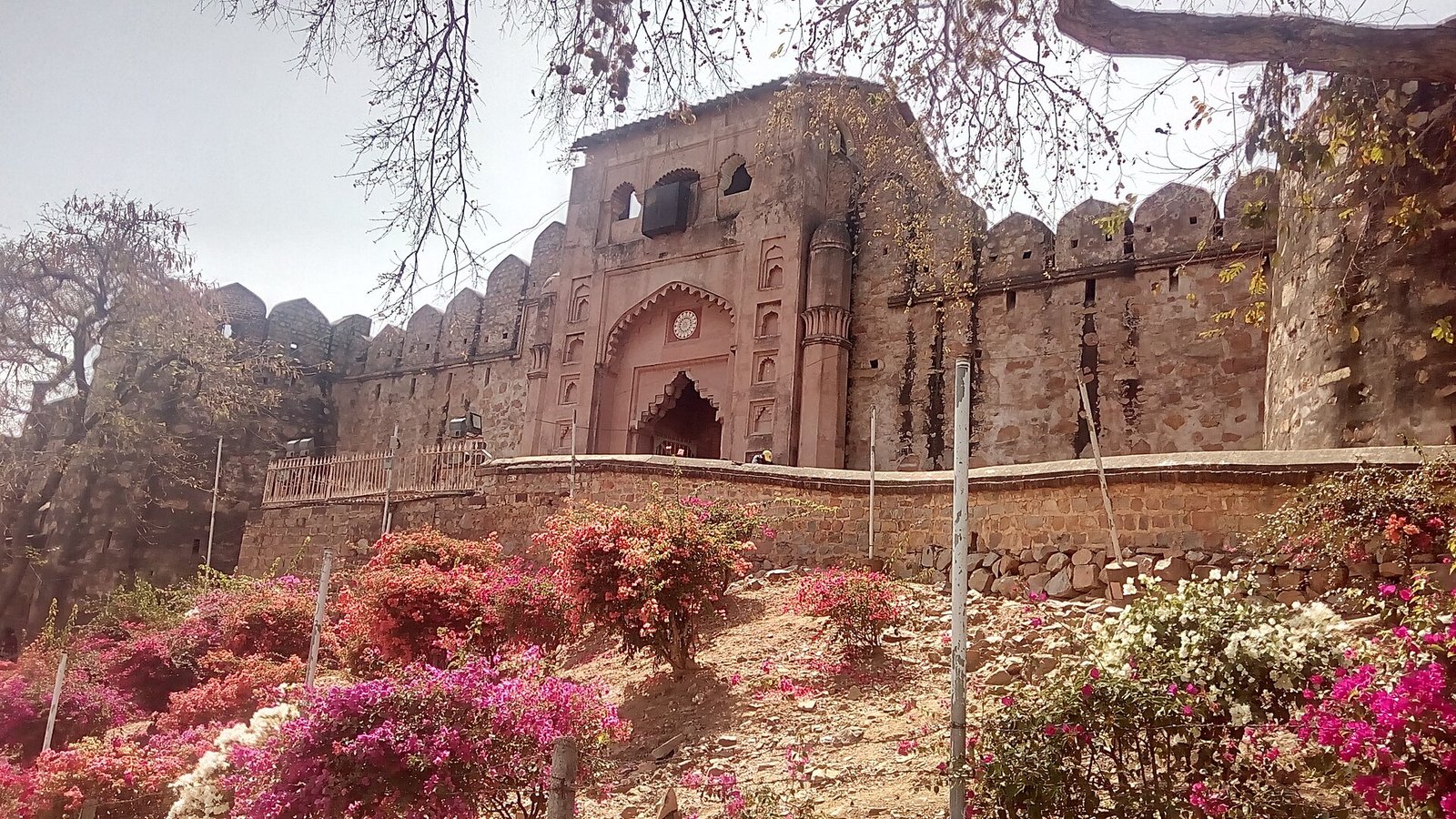
Jhansi's fort and palace connect Bundelkhand's courtly history with the memory of Rani Lakshmibai and 1857. Give those city landmarks time before extending towards Orchha or the lake at Barua Sagar. The region's towns are close on a map but still deserve separate, unhurried visits. This Book247 edition connects Jhansi Fort with Government Museum, Jhansi, leaving room for Bundelkhand-style dal and roti and the everyday life around Sipri and old-city bazaars.
Turn interests into a connected route
Map the actual arrival, base, main visits and finish. Check current access information and investigate the transport between them, using Jhansi's fort and older palace area form a central introduction; Orchha lies separately across the border, while Barua Sagar follows another outward road. Group nearby stops before crossing the wider urban area, and keep the two outlying journeys separate from the core sightseeing circuit. Distance on a map rarely captures every transfer. as a starting question rather than a fixed promise. Group compatible experiences, and give demanding visits enough space. Keep travel, meals and rest visible instead of hiding them in the gaps between headline attractions.
Mark one essential experience and identify which other parts are optional. This makes the plan easier to adapt when conditions change or you discover that a place deserves more attention. Keep an alternative that supports the same interest, and avoid creating a schedule in which one delay makes every later element impossible to enjoy.
Make the brief ready for a useful conversation
Write the plan in plain language: who is travelling, what they care about, the preferred pace and any essential access or dietary requirements. Separate services you want help with from those you will arrange independently. A provider should be able to respond to the actual brief rather than infer your needs from a vague request for the best tour.
Compare the proposed route, guide role, transport, inclusions and conditions before confirming any arrangement. Ask questions about uncertain details and keep the final description accessible during the trip. An editorial itinerary can inspire the journey, but it does not itself create a reservation. The useful next step is a specific proposal whose practical details match the experience you have chosen.
PUT A PLACE TO THE STORY
Three places to research
Government Museum, Jhansi
Regional collections provide context for Bundelkhand's artistic traditions and independence-era historical memory. Use the displays to give the surrounding places a fuller context.
Maharaja Gangadhar Rao cenotaph
The royal memorial adds commemorative architecture beyond the fort's better-known military story. Read the surviving fabric before moving to the next landmark.
Lakshmi Tal
The historic tank setting creates another landscape within the older city itinerary. Let the waterside setting shape a slower pause in the itinerary.
Keep the route realistic
Jhansi's fort and older palace area form a central introduction; Orchha lies separately across the border, while Barua Sagar follows another outward road. Group nearby stops before crossing the wider urban area, and keep the two outlying journeys separate from the core sightseeing circuit. Distance on a map rarely captures every transfer.
Cooler months favour the exposed fort and regional monuments; summer heat calls for early visits and long shaded pauses. Put exposed stops such as Jhansi Fort in the more comfortable part of the day, retain an indoor alternative, and confirm local conditions before committing to an excursion.
Before the plan becomes a trip
- Name one essential experience and optional additions.
- Map the real arrival, base and finish.
- Write access and dietary needs into the brief.
- Compare the full service before confirming.
A personal Jhansi tour is strongest when every part has a purpose. Use the research to choose, the route to connect and the brief to communicate. Keep enough flexibility for the day to develop, and let the experience reflect the people taking the trip rather than a standard list.
Sources & useful visitor links
Use the destination and heritage authorities below to check current visitor arrangements. Plan your visits around the current information published by these authorities.