 Illustrative preview
Building your own tour of Delhi begins with deciding what a successful visit would feel like. Choose a few interests, define the time available and identify the practical needs that shape the day. Then use reliable destination information to explore the possibilities. The result does not need to be elaborate; it needs to be clear enough that you, your companions and any supplier understand what matters most.
Start with Chandni Chowk and Gurdwara Sis Ganj Sahib as research anchors, then consider how Khari Baoli, Chole bhature or Humayun’s Tomb might contribute a different kind of experience. Do not include them automatically. Each element should earn its place by matching an interest and fitting the route. A personal itinerary is a set of choices, not a collection of every appealing item found during research.
Delhi, in its own words
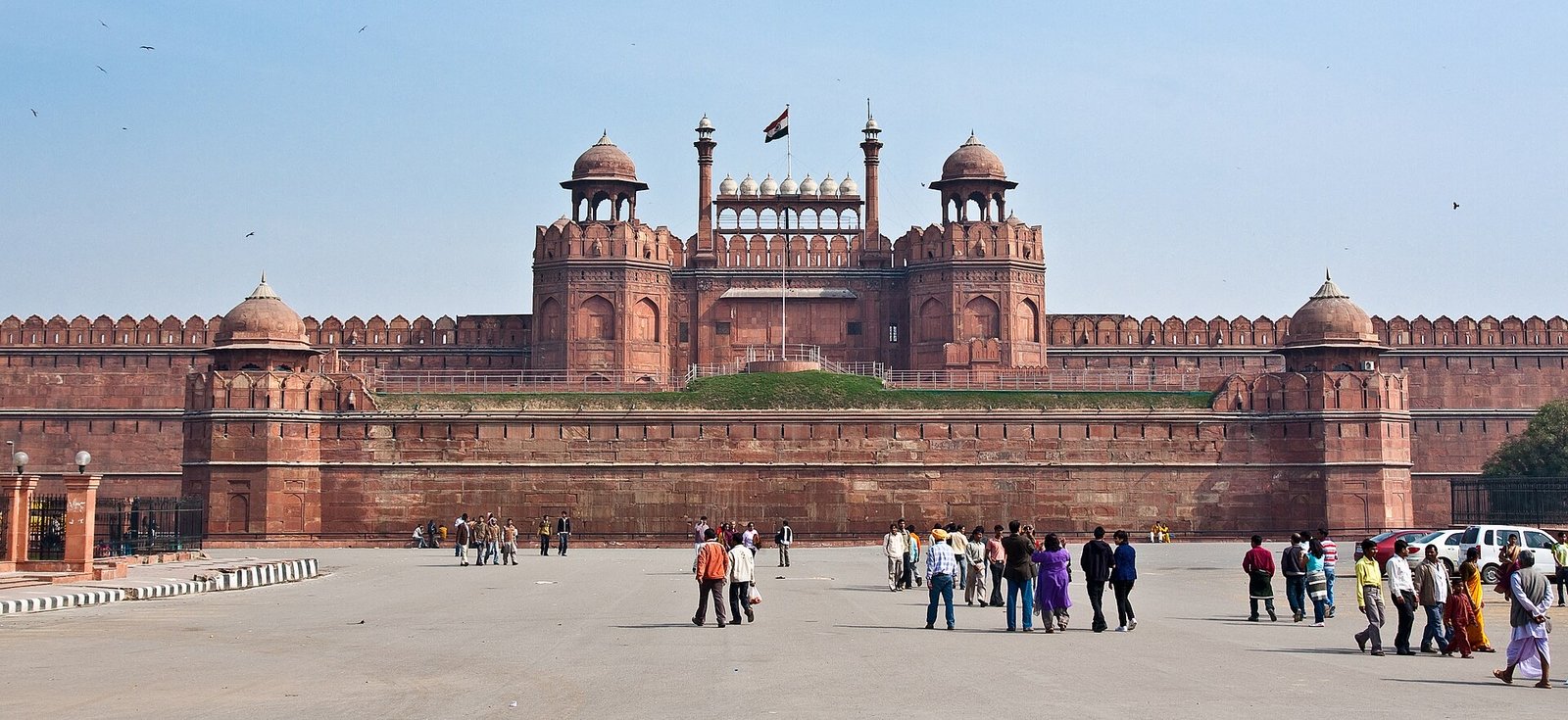
This Delhi edition follows Shahjahanabad and the older city’s market-and-monument fabric, rather than duplicating the planned capital district covered separately as New Delhi. The Red Fort and Jama Masjid establish the historic frame; bazaars and active religious sites reveal how that fabric continues to work. Book247 favours a focused walk with pauses over an unrealistic dash across the whole metropolis. Wider Delhi monuments remain worthwhile, but belong to separate excursions from this old-city base.
Turn interests into a connected route
Map the actual arrival, base, main visits and finish. Check current access information and investigate the transport between them, using Build the main circuit around the Red Fort, Jama Masjid and Chandni Chowk, using the market axis to orient yourself. New Delhi’s capital boulevards are a different edition, while Humayun’s Tomb and the Qutb complex require separate cross-city journeys with realistic transit time. as a starting question rather than a fixed promise. Group compatible experiences, and give demanding visits enough space. Keep travel, meals and rest visible instead of hiding them in the gaps between headline attractions.
Mark one essential experience and identify which other parts are optional. This makes the plan easier to adapt when conditions change or you discover that a place deserves more attention. Keep an alternative that supports the same interest, and avoid creating a schedule in which one delay makes every later element impossible to enjoy.
Make the brief ready for a useful conversation
Write the plan in plain language: who is travelling, what they care about, the preferred pace and any essential access or dietary requirements. Separate services you want help with from those you will arrange independently. A provider should be able to respond to the actual brief rather than infer your needs from a vague request for the best tour.
Compare the proposed route, guide role, transport, inclusions and conditions before confirming any arrangement. Ask questions about uncertain details and keep the final description accessible during the trip. An editorial itinerary can inspire the journey, but it does not itself create a reservation. The useful next step is a specific proposal whose practical details match the experience you have chosen.
PUT A PLACE TO THE STORY
Three places to research
Chandni Chowk
The historic commercial axis connects monument, religious sites and everyday trade. Walk in manageable sections rather than expecting the whole market district to behave uniformly.
Gurdwara Sis Ganj Sahib
The Sikh place of worship adds another important strand to Chandni Chowk’s religious geography. Follow community guidance and leave space for worshippers.
Fatehpuri Masjid
At the western end of the historic market axis, the mosque provides a useful point for understanding Shahjahanabad’s layout and continuing religious life.
Keep the route realistic
Build the main circuit around the Red Fort, Jama Masjid and Chandni Chowk, using the market axis to orient yourself. New Delhi’s capital boulevards are a different edition, while Humayun’s Tomb and the Qutb complex require separate cross-city journeys with realistic transit time.
Old-city walking is more comfortable in milder weather, with shorter sections and indoor pauses during hotter periods. Rain can change the ease of narrow market lanes. Religious occasions and commercial activity affect movement, so choose the day’s scale around current local conditions.
Before the plan becomes a trip
- Name one essential experience and optional additions.
- Map the real arrival, base and finish.
- Write access and dietary needs into the brief.
- Compare the full service before confirming.
A personal Delhi tour is strongest when every part has a purpose. Use the research to choose, the route to connect and the brief to communicate. Keep enough flexibility for the day to develop, and let the experience reflect the people taking the trip rather than a standard list.
Sources & useful visitor links
Use the destination and heritage authorities below to check current visitor arrangements. Plan your visits around the current information published by these authorities.