 Illustrative preview
A neighbourhood visit offers a different scale from a city-wide tour of Chennai. Instead of moving between widely separated landmarks, you can notice how streets connect, where people pause and how a working area changes across the day. The point is not to uncover a secret destination that other visitors have somehow missed, but to spend enough time in one place to understand a little more of its rhythm.
Research the area around Mylapore market streets or another suitable public part of the city, then establish what makes it interesting to you. Food, buildings, craft or public space can each provide a focus. Keep residential privacy and local access rules central. A quiet street is not an invitation to enter private courtyards, photograph residents closely or treat ordinary homes as visitor attractions.
Chennai, in its own words
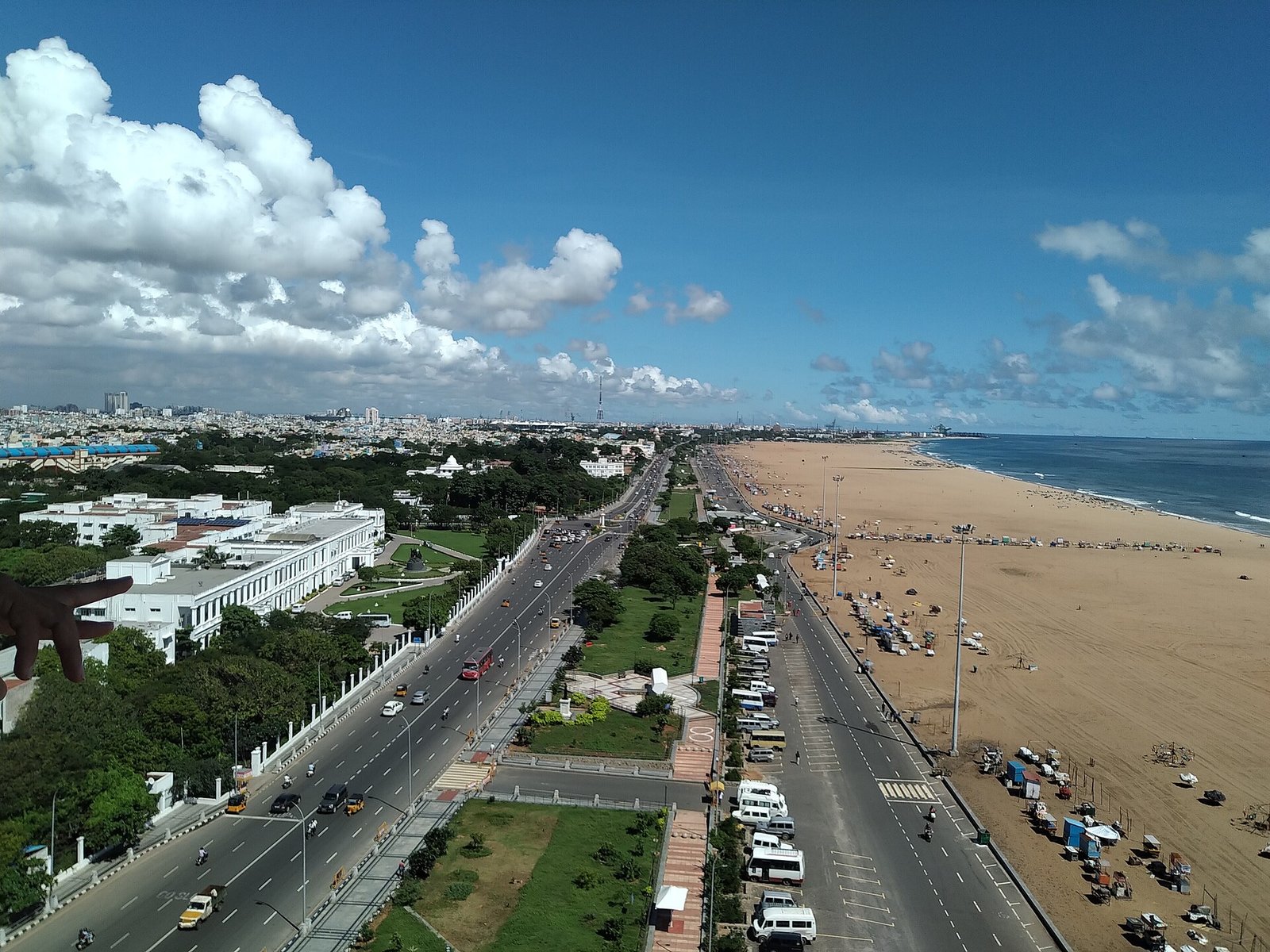
Chennai's coast is only one axis of a city shaped by older Tamil neighbourhoods, colonial institutions and cultural collections. Build days around compact areas rather than crossing the metropolis repeatedly. A museum morning and a temple-quarter walk reveal more than a continuous drive between distant monuments. This Book247 edition connects Marina Beach with Government Museum, Egmore, leaving room for Idli and filter coffee and the everyday life around Mylapore market streets.
Choose a boundary small enough to explore
Use a few clear landmarks to define the area and identify how you will arrive and leave. Check walking conditions, crossings and places for a pause. A compact route can still contain physical challenges, so investigate the details relevant to your party. Resist adding a distant stop merely because it is well known or appears on a standard itinerary.
Look for relationships between places. A market, a transport stop and a public building may explain one another when viewed together. Ask why certain activities gather in one area and how the streets support them. Keep the questions open, and avoid turning a visual impression into a confident claim about the whole neighbourhood or the people who live there.
Let the ordinary details hold your attention
A suitable meal involving Idli and filter coffee, a permitted conversation with a shopkeeper or a careful look at a public facade can become the centre of the outing. Allow people to decide whether they want to engage. You can learn a great deal through respectful observation without requiring personal stories or photographs from everyone you meet.
When enquiring with Book247, ask for a neighbourhood-focused route with a clear theme and suitable pace. Explain that you value context over the number of stops. Keep Fort St George as a separate visit if combining it would dilute the neighbourhood experience, and allow the outing to finish when it has given you enough to think about rather than when every street has been covered.
PUT A PLACE TO THE STORY
Three places to research
Fort St George
The fort and museum introduce the city's colonial history within an active administrative setting. Read the surviving fabric before moving to the next landmark.
Government Museum, Egmore
The museum collections provide an extended indoor introduction to the region's art and archaeology. Use the displays to give the surrounding places a fuller context.
Kapaleeswarar Temple
The Mylapore shrine remains embedded in a living neighbourhood of worship and trade. Follow local worship etiquette and allow time for the surrounding precinct.
Keep the route realistic
Mylapore and Santhome pair with the southern coast, while Egmore and Fort St George form separate central and northern heritage clusters. Group nearby stops before crossing the wider urban area, and keep the two outlying journeys separate from the core sightseeing circuit. Distance on a map rarely captures every transfer.
The cooler part of the year often eases coastal walking; humid heat and northeast-monsoon rain require shaded alternatives. Put exposed stops such as Marina Beach in the more comfortable part of the day, retain an indoor alternative, and confirm local conditions before committing to an excursion.
Before the plan becomes a trip
- Define a compact area with clear entry and exit.
- Check walking conditions and public access.
- Choose a theme that connects ordinary places.
- Respect residents' privacy and working routines.
The neighbourhood scale can make Chennai feel more understandable. Choose a manageable area, look for the connections between its ordinary places and let a few details carry the experience. You do not need to claim you found a hidden city to enjoy a more attentive visit.
Sources & useful visitor links
Use the destination and heritage authorities below to check current visitor arrangements. Plan your visits around the current information published by these authorities.