 Illustrative preview
A famous landmark and a modest local experience can make a satisfying pair in Ajmer when they explain or contrast with one another. Begin with Ajmer Government Museum, then ask what another nearby setting might add: a different scale, a working craft, a public space or a view of the everyday city. The smaller experience does not need to be hidden or unknown to have value.
Be cautious about descriptions that turn a neighbourhood into a secret discovered for visitors. Places around Dargah Bazaar or a less-prominent public building already have meaning for the people who use them. Research the context and the limits of access before adding them to an itinerary. A good contrast respects that ordinary life is not an attraction that can be opened on demand.
Ajmer, in its own words
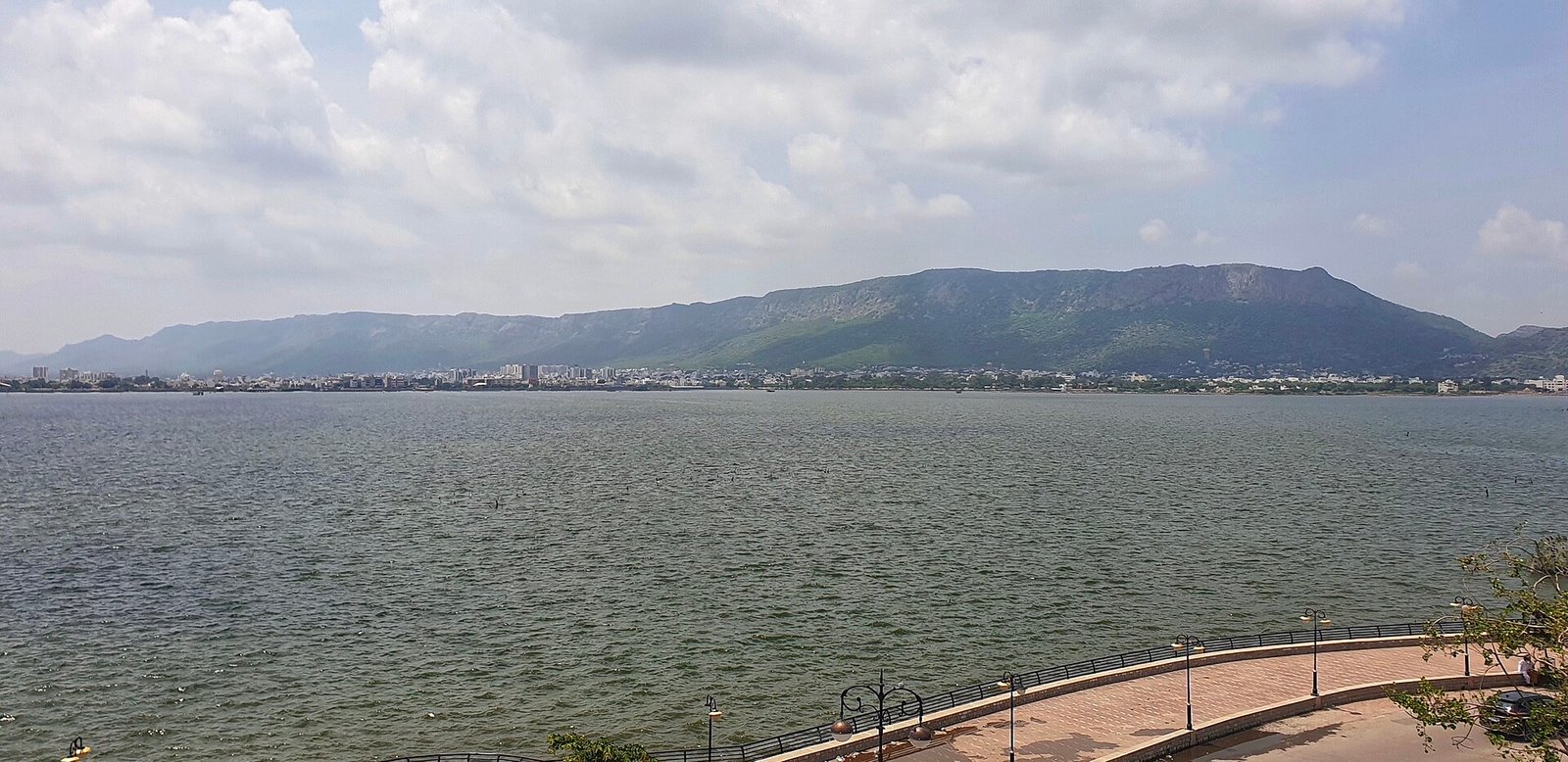
Ajmer's devotional life sits within a lake-and-hill landscape. The dargah is central, but Jain craftsmanship, older stonework and museum collections widen the story. Explore the city at a pace that respects worship, then take Pushkar across the hills as a separate destination. This Book247 edition connects Ajmer Sharif Dargah with Ana Sagar, leaving room for Sohan halwa and the everyday life around Dargah Bazaar.
Find a connection rather than another stop
Ask how the second experience changes your understanding of the first. It might reveal a material used in the landmark, a trade associated with the area or the way public space works at a different scale. If no meaningful relationship emerges, consider whether the combination is worthwhile or simply convenient for filling the remaining hours.
Keep the route compact where possible, but check the actual entrances and walking conditions. A location that appears next to the landmark may require a different approach or have limited public access. Let the smaller visit remain proportionate; its interest may come from a few details observed carefully rather than an elaborate guided presentation.
Give both places the right kind of attention
At the landmark, allow enough time to understand the setting rather than treating it as a photograph to collect before the supposedly authentic part of the day. At the smaller location, avoid assuming the people present owe visitors an explanation. A respectful conversation is welcome when freely offered, but a quiet observation from public space can be enough.
When enquiring through Book247, explain that you want a contrast with context, not a promise of exclusive access. Ask why the proposed pairing makes sense and whether either visit depends on a separate arrangement. Keep Daulat Bagh as an alternative if the smaller experience is unavailable, while resisting the urge to replace every quiet moment with another formal attraction.
PUT A PLACE TO THE STORY
Three places to research
Ajmer Government Museum
The museum in the former palace setting adds objects and interpretation to the heritage route. Use the displays to give the surrounding places a fuller context.
Daulat Bagh
The garden beside Ana Sagar creates a quieter pause within the urban circuit. Allow a flexible visit rather than promising particular views or sightings.
Ajmer Sharif Dargah
The shrine of Khwaja Moinuddin Chishti remains a major focus of Sufi pilgrimage. Follow local worship etiquette and allow time for the surrounding precinct.
Keep the route realistic
The dargah quarter and Ana Sagar are separate city clusters; Pushkar lies beyond the hills, while Kishangarh follows another outward route. Group nearby stops before crossing the wider urban area, and keep the two outlying journeys separate from the core sightseeing circuit. Distance on a map rarely captures every transfer.
Cooler weather suits lake and bazaar walking; summer heat favours short outdoor stretches and indoor interpretation. Put exposed stops such as Ajmer Sharif Dargah in the more comfortable part of the day, retain an indoor alternative, and confirm local conditions before committing to an excursion.
Before the plan becomes a trip
- Identify what the smaller visit adds.
- Check public access before entering a quieter area.
- Give the landmark enough interpretive time.
- Avoid promises of secrecy or exclusive local access.
A well-chosen contrast can make a Ajmer day feel both substantial and personal. Visit the celebrated place with attention, then explore a smaller setting on its own terms. The value lies in the relationship you understand, not in claiming to have found somewhere nobody else knows.
Sources & useful visitor links
Use the destination and heritage authorities below to check current visitor arrangements. Plan your visits around the current information published by these authorities.